
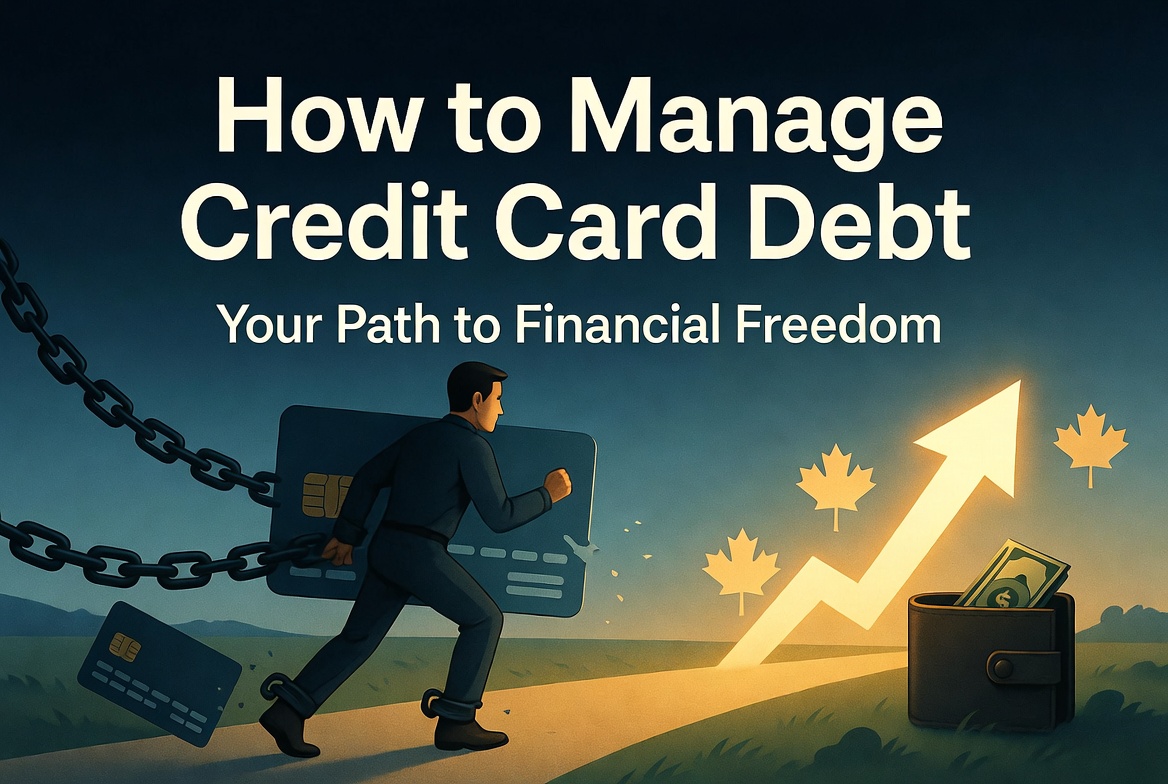
If you’re lying awake at night thinking about your credit card balances, you’re definitely not alone. Credit card debt sneaks up on so many of us — a dinner out here, an emergency expense there, and suddenly those high interest rates are making everything feel heavier. The good news? You can take control and start digging your way out. It doesn’t happen overnight, but with a solid plan and some steady effort, real progress is absolutely possible.
At Goodbye Problems, we’ve walked alongside hundreds of people dealing with this exact situation. Here’s a straightforward, no-fluff guide to help you manage and reduce your credit card debt.
1. Face the Numbers (Without Panic)
First things first — pull up all your statements and write everything down:
- How much you owe on each card
- The interest rates
- Minimum payments
This step feels scary, but knowing the full picture is actually empowering. Track your spending for a couple of weeks too. You might be surprised where your money is quietly disappearing.
2. Stop the Bleeding
Before you throw money at the debt, stop making it worse:
- Put the cards away (or freeze them in a block of ice if you need to get dramatic about it!)
- Switch to cash or debit for daily spending
- Call your credit card companies if you’re struggling — many have hardship programs that can temporarily lower rates or payments.
3. Create a Budget That Doesn’t Suck
Forget overly strict budgets that make you miserable. Try the 50/30/20 approach:
- 50% on needs (rent, groceries, bills)
- 30% on wants (the fun stuff)
- 20% on debt + savings
Cut back where it feels reasonable — maybe one less takeout meal a week or pausing a couple of subscriptions. Use that extra cash to attack your debt.
4. Pick Your Payoff Strategy
Don’t just pay the minimums — that’s how credit card companies make their money. Choose one of these two popular methods:
- Debt Snowball: Pay off your smallest balance first. It gives you quick wins and that amazing feeling of closing accounts one by one. Great if you need motivation.
- Debt Avalanche: Focus on the highest interest rate card first. This saves you the most money in the long run.
Whichever you pick, keep making minimum payments on the others so you don’t hurt your credit score.
Small tip: Even an extra $50–$100 a month can make a surprisingly big difference.
5. Consider Getting Some Help
Sometimes the debt feels too big to handle alone. That’s okay. Options include:
- Debt consolidation (if your credit is still decent)
- Credit counselling
- A Consumer Proposal (a Canadian solution that can reduce what you owe and stop interest)
- In tougher cases, bankruptcy as a fresh start
6. Build Habits That Stick
- Pay your bills on time (set up auto-payments)
- Keep your credit utilization under 30%
- Review your statements every month
- Start rebuilding an emergency fund so you’re not forced to use cards again
